
No, you don’t necessarily need to wash your hair after every workout. The better approach is to decide based on how much you sweated, how your scalp feels once it is dry, your hair type, existing oil or product buildup, and what your hair needs that day.
The simplest rule: dry your roots first, reassess your scalp, then decide whether you need to refresh or actually wash.

This post may contain affiliate links, which means we may earn a commission if you choose to make a purchase at no additional cost to you. All products are carefully selected based on quality, relevance, and how well they fit into a consistent, active routine.
Quick Answer
Post-Workout Decision Guide| After Your Workout | What to Do |
|---|---|
| Light sweat, scalp feels comfortable | Dry roots and restyle |
| Roots are oily but otherwise comfortable | Dry first, then use dry shampoo if needed |
| Hair is damp but not oily | Focus on drying before adding product |
| Heavy sweat or noticeable buildup | Consider washing |
| Persistent odor after hair dries | A wash may make more sense |
| Itching, redness, flaking, tenderness, or discomfort | Reassess your scalp routine and consider professional guidance if it persists |


Why I Stopped Treating Every Workout Like Wash Day
I want to work out five days a week, but I also have work, family, errands, and everything else that comes after the gym.
Washing, drying, and styling my hair can easily take close to an hour, so doing that after every workout is not realistic for me.
I also do not want to skip workouts just to preserve my hair.
The shift was realizing that workout does not automatically mean wash day.
Now I let my scalp cool, dry my roots, and decide what my hair actually needs before reaching for shampoo.

Should I Wash My Hair After Every Workout? Start With These 5 Questions
Instead of following a rigid wash schedule, check what is actually happening with your hair and scalp.
How much did you sweat?
A lightly damp hairline after Pilates is different from a scalp that is saturated after running outdoors or taking a high sweat class.
More sweat does not automatically mean you must wash, but it changes the decision.
Are your roots dry yet?
Do not judge your hair immediately after your workout.
Freshly sweaty hair can look flatter, darker, and more separated simply because it is damp.
Let the roots dry first.
Does your scalp feel comfortable?
Once your scalp has cooled and dried, pay attention to how it actually feels.
Comfortable is different from:
- Greasy
- Sticky
- Coated
- Itchy
- Tender
- Irritated
Your scalp condition matters more than following an arbitrary number of wash days.
Is the problem sweat or oil?
These are not exactly the same issue.
Sweat can leave the hair damp and disrupt your style.
Oil can make the roots look separated, limp, or visibly greasy.
If oil is the problem, dry shampoo may be useful once your roots are dry.
If you are unsure when to use it, read Should You Use Dry Shampoo Before or After a Workout?
Is there already product buildup?
Think about what is already in your hair.
Dry shampoo, hairspray, texture spray, oils, scalp products, and styling creams can accumulate between washes.
Sometimes the workout is not the main reason your hair feels off. It is simply the final layer on top of everything else.
When You Can Probably Skip Washing Your Hair
Depending on your hair type, scalp condition, and sweat level, you may be able to skip washing after lighter workouts if your hair still feels manageable once it dries.
This may be more realistic after:
If your roots dry comfortably and the main issue is a flattened style, washing may create far more work than the problem requires.
A quick reset may be enough.
.
When Washing Makes More Sense
Skipping a wash should never become the goal. There are days when shampooing is simply the more practical choice. Consider washing when you notice:
- Heavy sweat that leaves your scalp saturated
- Noticeably oily roots
- Persistent sweaty odor after your hair has dried
- Significant styling product or dry shampoo buildup
- Hair that feels sticky, coated, or unusually heavy
- A scalp that feels increasingly uncomfortable
Several workouts can also change the equation. Your hair may refresh easily after one workout. After several sessions, natural oils, styling products, and dry shampoo may make it feel completely different. That does not mean your refresh routine failed. It may simply be wash day.

A Simple Decision Guide: Wash or Refresh?
If you want the answer without overthinking it, use this.
| Your Hair After the Workout | Best Next Step |
|---|---|
| Slightly damp, otherwise comfortable | Dry roots and reassess |
| Dry but flattened | Restyle |
| Dry with some oil at the roots | Use a targeted dry shampoo if needed |
| Sweaty but not oily | Dry first, then decide whether a refresher is useful |
| Heavy buildup from several products | Consider washing |
| Strong odor remains after drying | Consider washing |
| Scalp feels uncomfortable | Washing may make more sense |
| Persistent irritation or flaking | Reassess your scalp care rather than repeatedly refreshing |
The decision becomes much simpler once you stop treating every post workout hair problem as the same problem.
If You Skip the Wash, Do This Instead
Cool
Take your hair down if possible and give your scalp a few minutes to cool.
Dry
Blot excess moisture, then use cool airflow to fully dry your roots.
Assess
Check whether the real issue is oil, flatness, odor, frizz, or simply damp hair.
Refresh Only What Needs It
Use product only if there is still a problem after your roots are completely dry.
Restyle
Try a low ponytail, bun, claw clip, half up style, changed part, or braid.
The goal is not to make your hair look untouched by the workout. It is to make it feel intentional enough to move into the rest of your day. If you regularly make that transition quickly, A Quick Gym-to-Work Hair Routine That Does Not Require Washing takes this process into a more specific work ready routine.
A Few Products That Fit This Routine
You do not need a different product for every post workout hair problem. Choose based on what your hair actually needs once your roots are dry.

Kitsch Microfiber Hair Towel
If post workout moisture is the main issue, blotting first can make more sense than immediately adding another product.
This microfiber wrap absorbs excess moisture and stays securely in place while you change, do skincare, or get ready for the rest of your day.
Best for: Blotting damp roots, the hairline, and nape before drying and restyling.
Shop the Kitsch Hair Towel →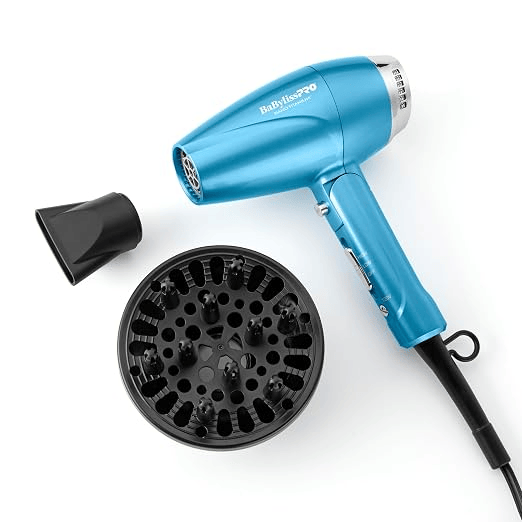
BaBylissPRO Nano Titanium Compact Dryer
A compact dryer is worth considering if you regularly transition from the gym into work, errands, or the rest of your day.
Its smaller format makes it easier to keep with your gym or work essentials.
Best for: Drying damp roots away from home.
Shop the BaBylissPRO Dryer →
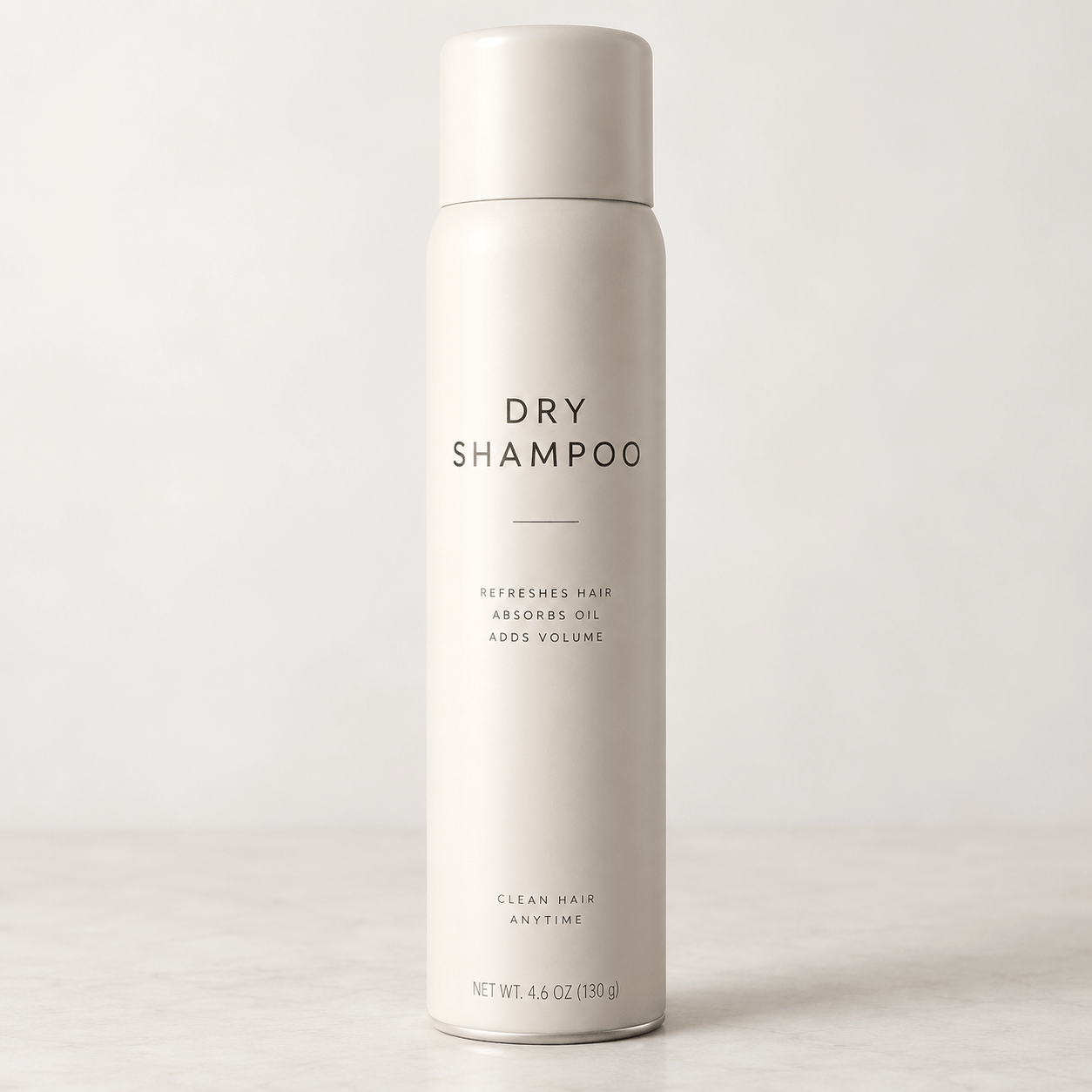
Living Proof Perfect hair Day Advanced Clean Dry Shampoo
Once your roots are dry, dry shampoo can be useful if oil or flatness is still the problem.
This option is positioned for a softer, cleaner feeling finish rather than deliberately adding a lot of texture.
Best for: Dry roots that look oily or flat after a workout.
Shop Living Proof →
Klorane Dry Shampoo with Oat Milk
A loose powder alternative for readers who prefer a non aerosol format.
Think of this as an alternative to Living Proof based on the application style you prefer.
Best for: Oily, dry roots when you prefer a non aerosol powder.
Shop Klorane →The rule I keep coming back to: dry first, assess what is actually wrong, then use the minimum product necessary.
Dry Shampoo Does Not Automatically Belong After Every Workout

Dry Shampoo Is Not Always the First Step
Dry shampoo is useful when oil and flatness are actually the problem. It does not need to be the first thing you reach for simply because you sweated.
A Smart Post-Workout Sequence
Let your scalp cool.
Give your body a few minutes to cool down before touching your hair.
Dry your roots.
Use a towel or cool airflow to remove excess dampness.
Look at what your hair actually needs.
Is it oily, flat, or just damp? This helps you decide the next step.
Use dry shampoo only if oil or flatness remains.
Focus on your roots and use a light hand.
Adding dry shampoo when you do not need it can lead to unnecessary product layering, which may make your hair feel dull, heavy, or gritty over time.
If dry shampoo is part of your regular gym routine, the next question is when to apply it. Read: Should You Use Dry Shampoo Before or After a Workout?
Plan Your Wash Days Around Your Sweatiest Workouts
If you exercise four or five days a week, your hair schedule and workout schedule do not have to exist independently. Instead of reacting after every workout, look at your week ahead. For example:
| Day | Workout | Hair Plan | |
|---|---|---|---|
| Monday | Strength | → |
Refresh Dry, restyle, and use dry shampoo if needed. |
| Tuesday | Higher sweat cardio | → | Wash |
| Wednesday | Pilates or walking | → |
Preserve Style Likely no wash needed. |
| Thursday | Strength | → |
Refresh Refresh as needed. |
| Friday | Higher sweat workout | → | Wash |
This is only an example. Your sweat level, hair type, styling habits, and schedule may require something completely different. The useful part is planning higher sweat sessions closer to wash days when possible. That removes one more decision from your week.
Fine, Curly, Thick, or Styled Hair May Need Different Schedules
There is no single wash frequency that works for every active woman. Someone with fine, naturally oily hair may prefer washing more frequently. Someone with dry, curly, coily, textured, color treated, or frequently styled hair may follow a less frequent schedule.
Workout type matters too. So does climate. So does how much product you use between washes. The point is not to find the perfect number. It is to build a routine that keeps your scalp comfortable and your hair manageable without making exercise unnecessarily difficult to fit into your life.
Common Mistakes That Make Workout Hair Feel Harder
Your hair may not need it. Assess first.
Dry your roots before deciding whether an oil absorbing product is necessary.
A changed part, bun, braid, or ponytail may take far less effort.
More product does not necessarily address the actual problem. Check for moisture first.
If your scalp feels uncomfortable or your hair is heavily coated, washing may be the simpler option.
FAQs
Should I wash my hair after every workout if I sweat a lot?
Not automatically, but heavier sweating can make washing more practical. Let your hair dry and consider how your scalp feels, whether odor remains, and how much oil or product buildup is already present. If your scalp feels saturated or uncomfortable, washing may be the easier choice.
Is it bad to leave sweat in your hair?
You do not necessarily need to shampoo immediately every time you sweat. However, allowing sweat, natural oils, and styling products to accumulate until your scalp becomes uncomfortable is different from simply refreshing lightly sweaty hair between wash days. Use your scalp and hair condition to guide the decision.
Can I just dry my sweaty hair?
Sometimes.
If dampness is the main problem and your scalp feels comfortable once your roots are dry, drying and restyling may be enough. If oil, buildup, persistent odor, or discomfort remains, you may need additional refreshing or a wash.
Can I use dry shampoo instead of washing after a workout?
Sometimes, but dry shampoo is not a replacement for cleansing indefinitely. It is most useful when dry roots look oily or flat. If you rely on it frequently, Should You Use Dry Shampoo Before or After a Workout? explains how to use it more deliberately around exercise.
How many workouts can I go without washing my hair?
There is no universal number. The answer depends on your scalp, hair type, sweat level, styling products, and how your hair behaves between washes. Instead of counting workouts, pay attention to when your scalp and hair stop responding well to your usual refresh routine.
Bottom Line
You do not need to automatically wash your hair after every workout.
Dry first. Assess second. Then decide.
If your scalp feels comfortable and the main problem is dampness or a disrupted hairstyle, a quick refresh may be enough.
If your hair feels coated, heavily oily, persistently sweaty, or uncomfortable, wash it.
The goal is not to avoid shampoo. It is to build a hair routine that works alongside a consistent workout routine instead of competing with it.
